Health Information
32 Views
Dental Implant Procedure: Functionally and Aesthetically Remarkable Teeth in Simple Steps
Posted By ويب طب |
2025-10-26
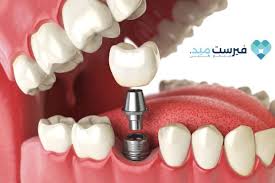
The dental implant procedure is a smooth restorative treatment designed to replace missing teeth with ones that look and function just like natural teeth—ensuring efficient performance and an aesthetically pleasing appearance.
Whether tooth loss results from fractures, decay, or damage, the procedure offers a comprehensive, modern solution in the field of dentistry, delivering proven, successful outcomes when proper procedural requirements are met. It does not negatively affect healthy adjacent teeth and provides long-term functional performance with an exceptionally natural appearance.
Artificial teeth fully implanted into the patient’s jawbone offer several advantages, including resistance to decay—thanks to titanium-based supports for the prosthetic roots—as well as many other benefits the patient can enjoy.
Advantages of Dental Implants
The surgical or non-surgical dental implant procedure provides a range of benefits that enhance the patient’s quality of life, both functionally and aesthetically, including:
• Replacement of missing teeth without negatively affecting adjacent healthy ones.
• Perfectly designed functional teeth that perform just like natural ones.
• A natural and attractive appearance that boosts confidence and self-esteem.
• Permanent stability of dental implants within the bone, ensuring long-lasting functionality unlike bridges or dentures.
• Improved speech and articulation, as missing teeth can cause slurred or unclear speech.
• Easier eating compared to dentures, which may cause discomfort or affect chewing quality.
Reasons and Conditions Requiring Dental Implants
Several conditions may require a patient to undergo a dental implant procedure, including:
• Complete or partial tooth loss that needs replacement.
• Severe tooth damage and poor function due to extensive decay.
• Gum disease and complications from related injuries or accidents.
• Broken or deformed teeth causing discomfort or gum pain.
Types of Dental Implant Procedures in Saudi Arabia
While implant roots are usually made of titanium and placed deep within the jawbone, the visible part of the implant varies. The main types include:
Removable Crown
Similar to conventional dentures, this type features white artificial teeth surrounded by pink plastic resembling gum tissue. Although securely fixed to the implant, the patient can easily remove it for cleaning or repair.
Fixed Crown
A permanently attached artificial tooth that is secured to the implant with medical-grade materials, such as screws.
Procedural and Medical Steps of Dental Implant Surgery
Dental implant procedures in Saudi Arabia vary from patient to patient depending on bone condition and diagnostic evaluations. However, all follow similar key steps:
1. Comprehensive oral and gum examination.
2. Review of panoramic and CT scans for both jaws.
3. Sterilization of the implantation site.
4. Local anesthesia to ensure a pain-free experience.
5. Gum incision for bone examination.
6. Drilling of implant holes in the jawbone.
7. Placement of titanium supports within the bone.
8. Coverage of the implant with gum tissue.
9. Healing period for the implant base to fuse with bone.
10. Attachment of the upper part of the implant and placement of the crown.
Equipment and Technology Ensuring Successful Dental Implantation
Dental implant surgery requires advanced medical technology, including:
• 3D imaging to measure bone density and thickness.
• Digital scanners for accurate implant measurements.
• Dental laboratories for natural-looking crown fabrication.
• Specialized drilling devices for jawbone implantation.
• Implant base installation tools.
• Crown sealing instruments to prevent gum intrusion.
• Surgical instruments such as gum lifters, scalpels, needle holders, and sutures.
Medical Team Involved in Dental Implant Procedures
A successful dental implant procedure relies on a multidisciplinary medical team, including:
• Oral and maxillofacial surgeon – specialist in surgical care of related conditions.
• Periodontist – expert in gum and jawbone health.
• Prosthodontist – dental specialist in designing and fitting artificial teeth.
• ENT specialist (Ear, Nose, and Throat doctor).
• Nursing team assisting throughout the procedure.
Possible Complications After Dental Implant Surgery
In general, dental implants are a safe and straightforward procedure when performed by qualified professionals in reputable dental centers equipped with advanced technology.
While most implant surgeries are successful, some patients—especially smokers—may experience failure in bone integration with the metal implant.
If the bone does not properly fuse with the implant, it can be removed, the area cleaned, and the procedure repeated after two to three months.
Tips for Maintaining Healthy Dental Implants
You can maintain your implants by following these simple guidelines:
• Maintain oral hygiene by cleaning all surfaces of the teeth, gums, and metal parts.
• Schedule regular dental checkups to ensure implant health and stability.
• Avoid harmful habits like chewing ice or hard candy that may crack the crown.
• Quit smoking and limit consumption of staining beverages like coffee.
• Seek prompt treatment for any dental issue before it worsens.
Conclusion
Dental implants are among the most advanced and life-changing procedures in modern dentistry. They offer a permanent and aesthetic solution that enhances both function and appearance for those suffering from tooth loss.
If you are considering a dental implant procedure in Saudi Arabia, it’s advisable to choose a trusted dental center with qualified specialists and advanced clinical technology—such as RAM Clinics.
Wishing you lifelong oral health and confidence in your smile.

comments
No Comments