Health Information
31 Views
Dietary Supplements Among Arabs: A Sports Obsession or a Health Necessity?
Posted By independentarabia.com |
2025-10-25
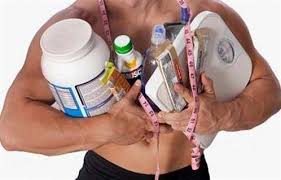
Modern life has imposed new standards of beauty, fitness, and physical appeal. Humanity has always evolved, and with it, the perception of beauty has continuously shifted across societies and eras. What was once considered beautiful in the past differs greatly from contemporary ideals.
Technological and lifestyle developments have also transformed dietary habits, creating fast-paced routines that often deprive people of essential nutrients, leading many to turn to dietary supplements to compensate for vitamin and mineral deficiencies.
Because appearance influences self-confidence—and self-confidence, in turn, affects success socially, professionally, and emotionally—many young people have turned to sports, while others have gone further, pursuing bodybuilding and sculpted physiques. These pursuits often require specialized proteins and injections to enhance and highlight muscle growth, despite the potential risks that, in rare cases, can lead to death.
So what exactly are dietary supplements, and when do they become harmful?
Which of them are beneficial according to experts? What are the proper guidelines for using them? Can they be taken preventively to avoid diseases—and should they ever be used without a doctor’s prescription?
Jordan: The Obsession with the Perfect Body Fuels the Supplement Market
The culture of fitness has grown rapidly in Jordan over the past decade, paralleling the expansion of gyms and fitness centers across the country. The use of dietary supplements has become common and highly desirable, especially among young people seeking the ideal athletic physique.
Today, Jordan’s nutritional and supplement market has evolved into a parallel economy, with imports valued at around $112 million annually, despite the challenges of counterfeiting and smuggling.
Spending on supplements, however, remains modest—less than 1% of an average Jordanian’s income, compared to about 4% spent on drinks and cigarettes, according to official statistics.
There are approximately 2,500 gyms, centers, and sports academies across Jordan, employing around 16,000 workers.
COVID-19 Boosted Supplement Demand
During the COVID-19 pandemic, the supplement sector was among the hardest hit due to gym closures for nearly two years. Yet the crisis also revealed a surge in Jordanians’ appetite for dietary and health supplements. Many resorted to excessive use in hopes of boosting immunity and fighting the virus—causing an unprecedented spike in demand and shortages of several products.
Since then, the belief in maintaining a healthy lifestyle, frequenting gyms, and using supplements has strengthened, says pharmacist Mohammed Eid, who works at a major pharmacy chain. He notes that the availability of supplements without prescriptions has made access—and overuse—much easier.
He cites the popularity of vitamins, minerals, and proteins, especially zinc and vitamin C, while warning against excessive or unregulated use as a replacement for a balanced diet.
Regulations and Penalties
Jordanian authorities have taken a strict stance against unauthorized supplement sales and unlicensed advertising. Citizens are advised to purchase supplements only from licensed vendors, particularly after misleading claims on social media suggesting supplements can treat chronic diseases or promote weight loss.
The Jordan Food and Drug Administration (JFDA) prohibits unlicensed supplement advertisements and imposes fines ranging from $1,500 to $7,000 for violations.
Jordanians typically purchase supplements through three main channels:
• international e-commerce platforms such as iHerb,
• intermediaries, or
• licensed local distributors specializing in sports nutrition.
According to nutrition experts, weight-loss supplements are the most in demand, followed by general nutritional and vitamin products, and finally sports supplements such as proteins and energy boosters.
The JFDA’s website provides a database of approved and licensed supplements. The agency monitors about 90,000 imported food products and has received 579 applications for dietary supplement approval this year.
While the Pharmacists’ Association has called for supplement sales to be restricted to pharmacies, prices remain relatively high in Jordan due to shipping costs and customs duties.
Supplements or Steroids?
Experts define dietary supplements as oral products containing essential nutrients—used to gain or lose weight, enhance performance, or build muscle. However, they warn against the misuse of hormones and hormone stimulants, available as injections or capsules.
Kamal Al-Hadidi, president of the Jordan Anti-Doping Organization, notes the popularity of such substances among young people chasing the “perfect muscular body,” despite the severe health risks. Some users, he says, lose their fertility as a result.
Doctors specializing in infertility estimate that 50% of male patients seeking treatment are users of synthetic hormones, especially testosterone injections.
Between 2013 and 2014, Jordan recorded 14 gym-related deaths linked to anabolic steroid use.
Algeria: The Search for Stronger Immunity Doubles Supplement Consumption
On pharmacy shelves across Algeria, dietary supplements—in the form of tablets, vitamins, and minerals—now compete with traditional pharmaceutical medicines. Doctors, however, warn that the marketing of these products requires stricter regulation.
The use of dietary supplements among Algerians has increased noticeably, especially during the COVID-19 pandemic, with many people consuming them without consulting doctors to ensure compatibility with their health conditions.
“I’ve been taking dietary supplements since the beginning of the pandemic, without consulting any doctor,” says Fatima, a 34-year-old Algerian. “Perhaps it’s psychological, but I feel that these vitamins make me feel better—like my immunity has become stronger.”
She continues, “But recently I read a scientific article about the risks of taking vitamin C without medical supervision. Indeed, after some time, I started experiencing health issues caused by poor absorption of other vitamins due to excessive vitamin C intake.”
While some Algerians oppose supplement use altogether, others believe in moderate and occasional use.
Imane Tayeb explains, “I’m not against dietary supplements when they’re needed and consumed responsibly. During COVID, I took vitamin C and zinc, and now I’m considering collagen to maintain youthful skin before I turn 40. I just make sure to take it once a day for no more than three months.”
Preference for Natural Foods
In contrast, many still favor natural sources of nutrition.
“I prefer eating fish, white and red meat, vegetables, and fruits,” says Mariam Nasser. “They’re tastier, healthier, and rich in vitamins and fiber. I also don’t trust expensive pharmaceutical brands.”
Kalthoum, a university student, agrees: “I don’t trust dietary supplements because I don’t really know what’s in them. If I ever have to take one, it would only be after consulting a doctor.”
Scientific studies have found links between certain supplements—especially those marketed for weight loss, muscle building, or energy enhancement—and serious health problems, such as increased risk of stroke, heart disease, and organ damage (including the liver and kidneys).
The issue, experts explain, lies in the fact that many supplements contain minerals or vitamins that already exist naturally in the human body. Taking additional amounts can dangerously elevate levels, leading to potential toxicity.
A Boom During Exam Season
Supplement sales also surge during student exam periods, particularly around the baccalaureate exams, as companies market products claiming to improve memory, focus, and energy.
A 2009 Algerian law on consumer protection and anti-fraud defines safety standards for all products, but experts say it remains insufficient to regulate the expanding supplement market.
In this context, Abdelhakim Boudees, president of the Algerian Federation of Pharmacists, has publicly called for new legislation to better organize the supplement industry—from manufacturing and importing to distribution and marketing. He stressed that current efforts are “stuck halfway,” as the market’s supervision falls under three or four different ministries, causing gaps in oversight and enforcement.
Saudi Arabia: Misleading Promotion of Dietary Supplements
As public awareness of health and fitness continues to rise in Saudi Arabia, it has gone hand in hand with the expansion of the dietary supplement market. This growth has mirrored the country’s increasing interest in sports, particularly among young people eager to build athletic, well-toned bodies, lose weight, or compensate for nutritional deficiencies.
Between health necessity and fitness obsession, supplements have flooded the Saudi market—driven partly by social media influencers and, at times, by unqualified gym trainers or commercial marketing campaigns from supplement companies.
However, some of these promotions are misleading or unregulated, prompting the Saudi Food and Drug Authority (SFDA) to step in with strict regulations and a clear public message:
“Dietary supplements are not medicines, nor are they substitutes for prescribed treatments. Their role is limited to providing nutrients the body needs when deficiencies exist.”
Expert Warnings
Clinical nutrition consultant Dr. Khaled Al-Madani explains that many modern products and regimens marketed to athletes promise improved performance, but most lack scientific evidence to prove their effectiveness.
He adds:
“The popularity of these supplements, coupled with their misuse, calls for urgent and extensive nutritional education for athletes—to ensure they understand the real risks of using unverified products.”
Al-Madani stresses that vitamin and mineral supplements should always be medically supervised, as excessive doses can cause serious health complications.
“A healthy individual who maintains a balanced diet,” he notes, “does not need these supplements.”
He concludes:
“Sporting excellence is not achieved through powders, pills, or injections—but through consistent training, proper nutrition, and adequate caloric and carbohydrate intake.”
Supplements Advertising Floods TV Channels
In recent years, advertisements for dietary supplements have proliferated on television, often claiming to treat a wide range of ailments—from fatigue to chronic illness. This prompted government intervention to ban such misleading ads.
The Audiovisual Media Authority, which monitors television networks, issued a public statement:
“We condemn these deceptive advertising campaigns and issue a warning to all broadcasters airing them. These misleading ads must be stopped immediately, or the channels will face disciplinary measures.”
The authority emphasized that marketing and promoting dietary supplements require official scientific approval, based on recognized medical protocols.
It described such deceptive advertising as a threat to public health and a violation of both medical ethics and media law.
The statement further explained that these ads often:
• Mislead the public with inaccurate or exaggerated claims,
• Exploit the credibility of doctors or health experts, and
• Even use children in commercials to attract consumers—
without adhering to proper scientific or ethical standards.
The authority urged citizens to be cautious and not fall for false promises and advised participating doctors to respect the legal and ethical obligations of their profession.
It also confirmed that it continues to coordinate with scientific and regulatory bodies to monitor supplement promotions and protect consumer health and safety.
Chemical Components and Banned Products
Earlier this year, the Algerian Ministry of Commerce (note: this reference was likely included in a regional context in the original article) banned 20 dietary supplements after laboratory tests found they contained chemical ingredients and undeclared pharmaceutical substances—some of which are used to treat sexual dysfunction and should only be taken under medical supervision.
“These unsafe products,” the ministry said, “pose serious health risks,” urging consumers not to buy or use them.
It also warned retailers, wholesalers, and importers that selling or storing these products is strictly prohibited and subject to legal penalties.
Egypt: The Muscle-Building Craze and the Dietary Supplement Dilemma
Three months ago, Mohamed Ibrahim, a 20-year-old law student at Cairo University, began feeling a persistent pain on the left side of his abdomen. Initially, he ignored it and continued his daily gym workouts. But when the pain became unbearable, he finally visited a doctor—only to discover that he was suffering from kidney problems.
The diagnosis shocked Mohamed. Just two months earlier, he had joined a local gym near his home in Giza’s Al-Haram district, hoping to build the ideal physique admired by many of his peers. Upon joining, he noticed shelves filled with large containers of dietary supplements, which his trainer enthusiastically promoted, claiming they could enlarge and define muscles quickly.
Mohamed purchased a protein powder and some tablets, taking them regularly—until his health deteriorated. Medical tests later revealed that the supplements contained harmful hormones, which were the root cause of his kidney condition.
What Are Dietary Supplements?
Dietary supplements are products designed to complement a person’s diet by providing essential nutrients—such as vitamins, minerals, fibers, and amino acids—that may be lacking from regular meals.
They are often marketed for weight loss, muscle gain, or improved athletic performance. However, experts warn that overconsumption or unsupervised use can lead to severe health risks.
The Hidden Dangers
Mohamed may have been lucky to detect the issue early. According to Dr. Hany Gebran, a consultant specializing in obesity and malnutrition, many patients suffer from heart, kidney, or liver complications due to the unregulated use of supplements—some cases even leading to death.
He explains:
“Like any pharmaceutical product, supplements should only be used under medical supervision. While some have proven benefits in specific medical situations, others—especially those of unknown origin—can be dangerous.”
Dr. Gebran warns that many supplements sold in gyms, online, or on television are unlicensed, falsely claiming to be imported from Europe, when in fact, they often come from Southeast Asia and may contain banned substances.
He also expressed concern that some pharmacists and doctors are involved in selling unapproved supplements without prescriptions. Gebran called on the Pharmacists’ Syndicate and regulatory bodies to intensify inspections and tighten control over supplement distribution.
Health Organization Warning
Dr. Ayyoub Al-Juwalda, Regional Nutrition Advisor for the World Health Organization (WHO), also warned against the unregulated trade of supplements.
He stated that consuming them in excessive doses can be toxic, leading to serious side effects or dangerous interactions with prescription medications.
He emphasized that most people can obtain all necessary nutrients through a balanced diet, and that supplements should only be used under medical supervision, particularly when there’s a proven nutritional deficiency.
Lack of Awareness Among Young Athletes
According to Ibrahim Badr, a fitness coach for a professional volleyball team, many young athletes take supplements without medical tests or professional advice, often following recommendations from unqualified trainers.
He warns:
“These supplements can be extremely dangerous for individuals with diabetes or high blood pressure—and in severe cases, they can be fatal.”
Badr stresses that inexperienced trainers pose one of the greatest risks, as they promote unrealistic muscle growth without understanding the physiological requirements behind it.
“Achieving a sculpted physique takes years of disciplined training, proper nutrition, and professional guidance—not shortcuts through powders or injections,” he said.
He called for stricter monitoring of fitness centers to ensure that trainers are properly certified and to prevent the circulation of harmful supplements and steroids, which have already claimed young lives.
Regulatory Measures
In July 2021, Egypt’s Ministry of Health issued a decree banning the sale of 68 dietary supplements that failed to meet national safety standards, following demands from the Pharmaceutical Division of the Federation of Egyptian Chambers of Commerce.
The division’s president, Ali Awf, described many of these products as “toxins that weaken the body”, urging the government to enforce tighter supervision over gyms and supplement shops.
The Egyptian Food Safety Authority is legally authorized to inspect and approve all supplements sold in pharmacies and retail outlets.
Its chairman, Hussein Mansour, warned that any product lacking the Authority’s official seal is considered unregulated and potentially dangerous.
“Anyone who purchases such products,” Mansour cautioned, “bears full responsibility for the health consequences that may result.”

comments
No Comments