Health Information
22 Views
Preventing Blood Clots: Your Complete Guide to a Healthier Life!
Posted By الصيدلانية ياسمين كنعان |
2025-10-25
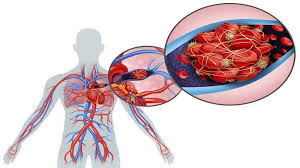
Blood clots can form anywhere in the body where there are blood vessels, and they can lead to serious complications such as stroke or heart attack.
The good news is that up to 80% of cardiovascular diseases are preventable, according to the Centers for Disease Control and Prevention (CDC). [1][2][9]
In this article, we present seven simple steps to help you prevent blood clots and improve your heart and vascular health.
________________________________________
1. Follow a Healthy Diet
A balanced diet is one of the most effective ways to protect yourself from blood clots.
Try to reduce your intake of sugars, fried foods, and processed meats such as sausages and salami.
Instead, focus on incorporating the following foods into your meals: [6]
Fruits, Vegetables, and Whole Grains
These foods are rich in fiber, which benefits your heart health by:
• Helping lower high blood pressure.
• Reducing levels of bad cholesterol (LDL).
• Improving blood vessel function.
• Reducing inflammation.
Healthy Fats
Include foods rich in omega-3 fatty acids, which are known to reduce inflammation and lower the risk of clot formation, such as:
• Fatty fish (salmon, sardines).
• Flaxseeds.
• Chia seeds.
• Nuts, especially walnuts.
Antioxidant-Rich Foods
Antioxidants fight free radicals, unstable molecules that can damage blood vessels and increase the risk of clots. [6]
Examples include:
• Dark chocolate.
• Green tea.
• Blueberries.
• Strawberries.
• Pecans.
Foods Rich in Vitamin K
A lack of vitamin K may contribute to arterial stiffness and increased clotting risk. Good sources include: [6][7]
• Broccoli.
• Cabbage.
• Spinach.
Foods Rich in Magnesium
Magnesium helps prevent platelet aggregation and clot formation. [6]
Sources include:
• Seeds.
• Whole grains.
• Nuts.
• Leafy greens.
________________________________________
2. Maintain a Healthy Weight
Obesity is one of the main risk factors for clots and cardiovascular disease because it: [1][8]
• Increases pressure on abdominal organs and blood vessels, hindering blood flow.
• Makes physical activity more difficult, especially in severe obesity.
• Contributes to venous insufficiency, a condition where blood flow is impaired, causing pooling and increasing clot risk.
• Promotes chronic inflammation in the body.
If you are overweight, follow a low-calorie diet, exercise regularly, and seek guidance from a nutritionist or healthcare provider. [1][2]
________________________________________
3. Stay Active and Exercise Regularly
Physical activity helps prevent clots and chronic diseases by improving circulation and preventing blood from stagnating due to prolonged sitting. [1][4]
Here are some simple tips: [1][2]
• Avoid sitting for long periods.
• Take the stairs instead of the elevator.
• Park farther away and walk to your destination.
• Spend time outdoors walking or exercising instead of staying indoors watching screens.
• Start with light exercises and gradually increase intensity.
• Aim for at least 30 minutes of exercise, five days a week—walking is one of the best options.
• Consult your doctor before starting exercise if you have conditions like osteoporosis or joint problems.
________________________________________
4. Quit Smoking
Tobacco products contain harmful chemicals that damage the heart and blood vessels. [5]
Smoking:
• Alters platelet surfaces, making them stickier and more prone to clot formation.
• Damages blood vessel walls, increasing the risk of atherosclerosis and peripheral artery disease.
• Produces free radicals that cause oxidative damage to heart and blood cells.
Therefore, quit smoking immediately, and avoid secondhand smoke, as studies show it can be almost as harmful as active smoking. [5]
________________________________________
5. Manage Chronic Diseases
If you have chronic conditions such as: [2]
• High blood pressure
• Diabetes
• High cholesterol
…it’s vital to follow your doctor’s recommendations and undergo regular check-ups. These conditions significantly increase the risk of blood clots if left unmanaged. [2]
________________________________________
6. Take Anticoagulant Medications as Prescribed
Your doctor may prescribe blood-thinning medications if you’ve had a heart attack or stroke before, or if you’re at high risk. [1][2]
These may include anticoagulants, thrombin inhibitors, or clot-dissolving drugs.
⚠️ Important: Never take these medications without medical supervision, as they can cause dangerous side effects such as internal bleeding. [1][2]
________________________________________
7. Get Regular Check-Ups and Recognize Clot Symptoms
Most doctors recommend annual check-ups to detect silent health problems that could increase clot risk. [9]
Essential yearly tests include: [9]
• Cholesterol profile (HDL, LDL, TG, TC).
• Complete blood count (CBC).
• Fasting blood glucose.
• Liver and kidney function tests.
Some individuals may require more frequent testing, especially those taking cholesterol-lowering medications (every 6 months). [9]
It’s also crucial to recognize the warning signs of blood clots, as symptoms can appear briefly and then disappear. Seek emergency care if you experience any of the following: [1]
• Swelling or pain in one or both legs without injury.
• Red or bluish discoloration in the leg.
• Sudden shortness of breath.
• Rapid or irregular heartbeat.
• Dizziness or fainting.
• Low blood pressure.
• Chest pain that worsens with coughing or deep breathing.
• Coughing up blood.
________________________________________
Additional Tips for Preventing Clots [1][3]
• Drink plenty of water—dehydration increases clot risk.
• Limit salt intake, as excess sodium may promote clot formation.
• Avoid tight clothing; wear loose, comfortable garments.
• Elevate your legs above heart level occasionally.
• Ask your doctor about compression stockings to prevent clot formation.
• Move regularly, especially during long flights or car rides.
• Avoid sitting or standing still for more than an hour at a time.
• Don’t cross your legs while sitting.
________________________________________
Doctor’s Advice
Preventing blood clots requires serious and consistent action.
Exercise daily, eat foods rich in fiber and healthy fats, quit smoking, and stay in touch with your healthcare provider.
If you have chronic diseases, take your medications regularly and follow your doctor’s recommendations.

comments
No Comments