private hospitals
64 Views
Important Highlights on Mental Health
Posted By مختبرات دلتا الطبية Delta Medical Laboratories |
2025-08-12
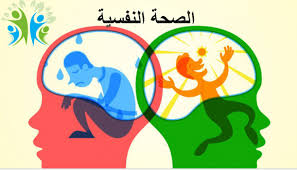
Mental health is just as important as physical health, yet it is often neglected due to societal misconceptions, which can lead to the development and worsening of mental health disorders. In this article, we'll explore the concept of mental health, common mental disorders, their diagnosis, and treatment methods
Table of Contents
• What is mental health and why is it important?
• What are mental health disorders?
• Are there different types of mental health disorders?
• Who can experience mental health disorders?
• What causes mental health disorders?
• How are mental health disorders diagnosed?
• What is the connection between vitamin D deficiency, anxiety, and insomnia?
• How are mental health disorders treated?
• Can mental health disorders be prevented?
________________________________________
What is mental health and why is it important?
Mental health (also referred to as psychological health) includes emotional, psychological, and social well-being. It shapes how a person thinks, behaves, expresses emotions, and interacts with others. Mental state also affects how one handles stress.
________________________________________
What are mental health disorders?
Mental or behavioral disorders affect how individuals think and act, altering their mood and potentially making it difficult to function at home, work, school, or within society. It’s important to understand that having poor mental health doesn’t always mean one has a diagnosable behavioral disorder.
________________________________________
Are there different types of mental health disorders?
There are more than 200 different types of mental health disorders. Some of the most common include:
1. Anxiety disorders
2. Attention Deficit Hyperactivity Disorder (ADHD)
3. Autism spectrum disorder
4. Depression, bipolar disorder, and other mood disorders
5. Disruptive behavior disorders
6. Eating disorders
7. Obsessive-compulsive disorder (OCD)
8. Personality disorders (e.g., borderline, antisocial personality disorder)
9. Post-traumatic stress disorder (PTSD)
10. Schizophrenia and other psychotic disorders
11. Substance use disorders, including drug and alcohol addiction________________________________________
Who can experience mental health disorders?
Anyone, regardless of age, gender, background, or ethnicity, can experience mental health disorders. Females are more likely to experience depression, anxiety, and eating disorders, while males are more prone to substance abuse and antisocial personality disorders. Behavioral problems and ADHD are more common in adolescents.
________________________________________
What causes mental health disorders?
Mental health disorders can stem from various causes, including:
• Genetic abnormalities or brain chemical imbalances
• Alcohol or drug use
• Poor nutrition
• Lack of social support from friends or family
• Traumatic childbirth or high-risk pregnancies in mothers
• Chronic medical conditions such as cancer, diabetes, or hypothyroidism
• Family history of behavioral health issues
• Neurological disorders like Alzheimer’s or dementia
• Sleeping disorders
• Severe stress
• Brain injuries
• Traumatic life events or history of abuse
• Spiritual or belief-related conflicts ________________________________________
What are the symptoms of mental health disorders?
Symptoms can include:
• Substance or alcohol abuse
• Avoidance of friends or social situations
• Changes in sexual drive
• Difficulty distinguishing reality (e.g., delusions, hallucinations)
• Excessive anxiety or fear
• Fatigue or sleep problems
• Feelings of sadness or isolation
• Difficulty understanding or interpreting others’ emotions
• Irritability or anger
• Obsession with appearance, weight, or dietary habits
• Trouble focusing, learning, or completing daily tasks
• Sudden mood swings (from very low to very high)
• Suicidal thoughts or self-harm
In children, symptoms may appear as:
• Changes in school performance or peer interaction
• Loss of interest in hobbies or activities
• Excessive anxiety (e.g., fear of bedtime)
• Frequent tantrums, defiance, or aggression
• Hyperactivity or difficulty sitting still and concentrating
• Nightmares
________________________________________
How are mental health disorders diagnosed?
Diagnosis should be made by a mental health professional. They will carefully review symptoms to assess a person’s mental health.
________________________________________
What is the connection between vitamin D deficiency, anxiety, and insomnia?
Some studies indicate that vitamin D deficiency affects dopamine and serotonin secretion—hormones linked to happiness. Low levels can worsen anxiety and increase sleep problems and insomnia.
________________________________________
How are mental health disorders treated?
1. Medications: Conditions such as depression or schizophrenia may respond well to antidepressants or antipsychotics, which help correct brain chemical imbalances. It’s critical to follow healthcare provider instructions and not discontinue medications without consultation
2. Psychotherapy: Talking to a mental health specialist—individually or in a group—can help manage challenges and symptoms.
3. Alternative therapies: Some mental health conditions might improve with herbal treatments, massage, acupuncture, yoga, or meditation.
4. Brain stimulation treatments: When medications are insufficient, professionals may recommend approaches like electroconvulsive therapy (ECT) or transcranial magnetic stimulation (TMS), which alter how brain cells process chemicals and respond to stimuli. ________________________________________
Can mental health disorders be prevented?
Complete prevention isn’t possible, but symptoms can be better managed with professional help. Early diagnosis and proper treatment improve outcomes—so it’s important to consult a healthcare provider when facing behavioral or personality issues or difficulty coping with life’s challenges.
reference: American Mental Wellness Association. Risk and Protective Factors Centers for Disease Control and Prevention (CDC). Learn About Mental Health National Alliance on Mental Illness (NAMI). About Mental Illness

comments
No Comments